All roles/Engineering/Electronics Engineer
Engineering
Electronics Engineer
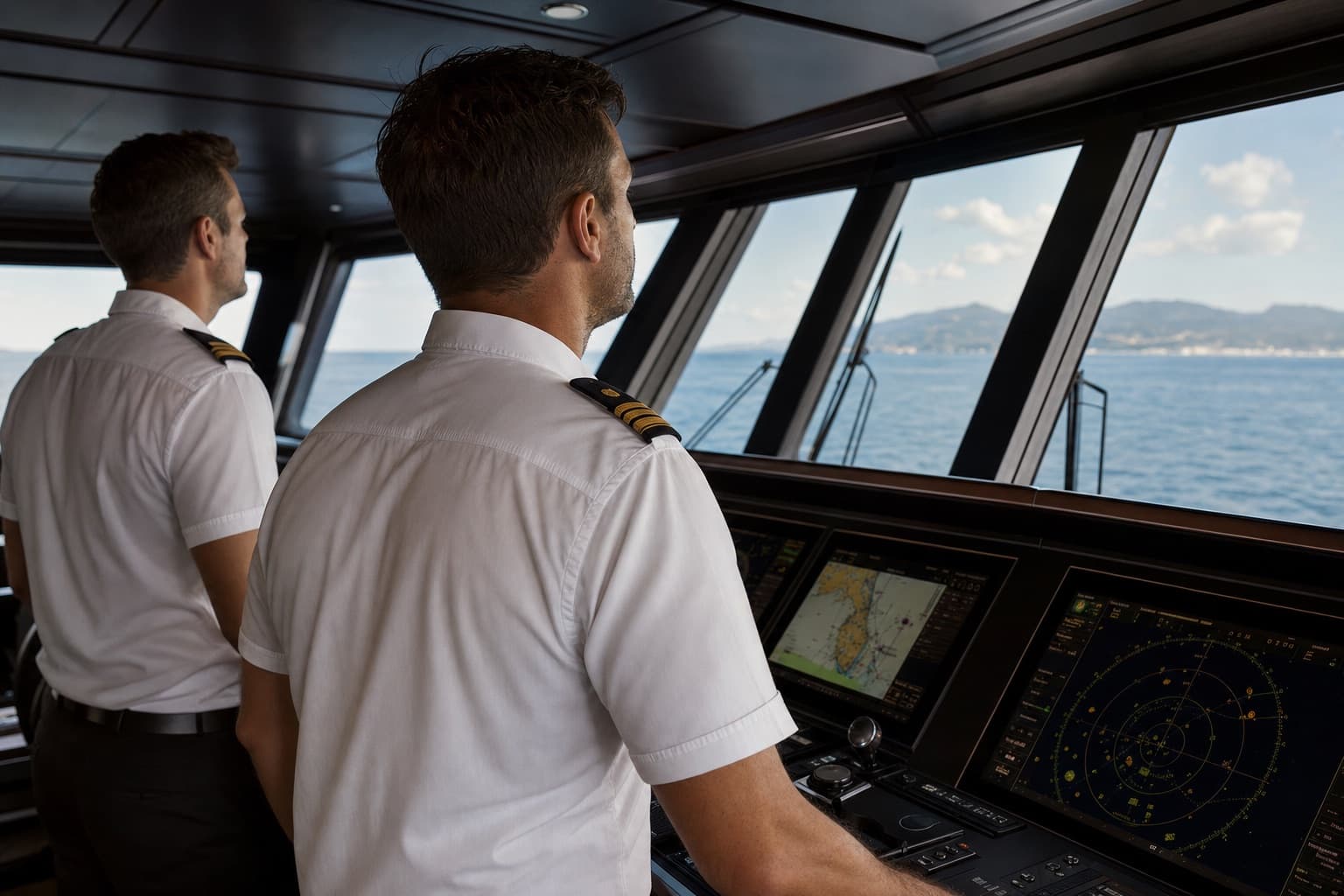
The Electronics Engineer keeps the yacht's navigation, communications, automation, alarm and entertainment electronics working, so the bridge can navigate safely and guests never notice a fault.
- Department
- Engineering
- Reports to
- Chief Engineer or Electro-Technical Officer (ETO)
- Yacht size
- 70m to 150m+
- Contract
- Rotation or permanent
- Starting pay
- €5,000 per month
What the job is
You look after everything on board that runs on circuit boards rather than pistons. That means the integrated bridge system, radars, ECDIS, autopilot and GMDSS equipment, the alarm and monitoring system, CCTV, fire detection panels, satellite domes and the network that ties them together. On larger yachts you also support the AV/IT team with the guest entertainment and control systems. You fault find down to component level, replace modules, update software and keep records that class and flag surveyors will ask to see.
The role exists on bigger yachts, usually 70m and above, where the volume of electronics is too much for the engineers and ETO to cover alone. You work inside the engineering department but spend a lot of time on the bridge and in technical spaces behind guest areas. Planned maintenance is logged in the yacht's maintenance software, and you liaise with manufacturers' service engineers when warranty work or specialist calibration is needed in port or at the shipyard.
Guest time changes the pace. A dropped Wi-Fi link, a frozen cinema system or a radar alarm at 02:00 lands with you, and you are expected to fix it calmly and quickly. Between charters and during refit you run upgrades, cable new kit, test backups and prepare for the annual survey. Good Electronics Engineers explain technical problems clearly to the captain, keep spares organised and leave every cabinet tidier than they found it.
What makes a good one
- Component level fault finding
- Marine navigation and comms systems
- Network and IT basics
- Clear technical reporting
- Calm under guest pressure
A day in the life

- 07:00Engine room morning meeting with the Chief Engineer and ETO. Go over overnight alarms and the day's guest plans.
- 07:30Walk the bridge with the Officer of the Watch. Check radar, ECDIS, gyro and GMDSS self tests and note any faults in the log.
- 08:30Investigate a recurring fire detection fault on deck 2. Trace it to a corroded loop connector, replace it and test the zone with the duty officer.
- 10:30Guests report slow Wi-Fi on the sundeck. Check the satellite and 5G link status, reset a failing access point and confirm speeds with the Chief Steward.
- 12:30Crew lunch, then update the planned maintenance system with the morning's jobs and spares used.
- 14:00Run monthly tests on the CCTV recorder and backup UPS units. Swap a weak battery string and order replacements through the agent.
- 16:00Video call with the bridge system manufacturer about a software update scheduled for the next shipyard visit.
- 18:30Check the cinema, lighting scenes and audio in the main saloon before guests' evening film. Stay on call for the night.
- 21:00Off watch but carrying the radio. Respond to a cabin control panel that has stopped dimming, then hand over notes for the morning.
Pay by country
Monthly salary for an Electronics Engineer on a 70m to 150m yacht. Pay is usually quoted in EUR or USD whatever the flag. Rotation roles often pay at the top of the range. Charter tips apply on charter yachts and are shared among crew.
- France and Monaco
- €5,000 – 7,500
- Spain
- €5,000 – 7,500
- Italy
- €5,000 – 7,500
- United Kingdom
- £4,300 – 6,400
- USA (Florida)
- US$5,500 – 8,200
- Caribbean
- US$5,500 – 8,200
- UAE
- AED 20,000 – 30,000
- Australia
- A$8,500 – 12,500
- New Zealand
- NZ$9,500 – 13,800
Required
- STCW Basic Safety Training
- ENG1 medical
- PDSD
- Electronics trade qualification or degree
Recommended
- STCW III/6 Electro-Technical Officer CoC
- GMDSS GOC
- High Voltage Safety training
- AEC 1
- Cisco CCNA
- Crestron programming certification
Visas
- Schengen visa (non EU crew)
- US C1/D
- US B1/B2
- Australian MCV
Where it leads
Electronics Engineer jobs open now
Questions crew ask
Do I need yachting experience to get this job?
Not always. Many Electronics Engineers come from merchant shipping, the military, offshore or commercial marine electronics, and yachts value that background. You will still need STCW Basic Safety Training and an ENG1 before you can join.
How is this different from an ETO or AV/IT Officer?
An ETO usually holds an STCW III/6 certificate and covers power and electrical systems as well as electronics. An AV/IT Officer focuses on guest entertainment and networks. The Electronics Engineer sits between them, with the focus on navigation, safety, automation and control electronics.
Will I work rotation?
On many large yachts, yes. Rotations such as 10 weeks on and 10 off, or 3 months on and 3 off, are common for technical roles, though some yachts still hire on permanent contracts with set leave.