All roles/Engineering/Refrigeration Engineer
Engineering
Refrigeration Engineer
Keeps a large yacht's chillers, air conditioning, cold rooms and freezers running, so guests stay cool, food stays safe and the engine room avoids costly breakdowns at sea.

- Department
- Engineering
- Reports to
- Chief Engineer
- Yacht size
- 80m+
- Contract
- Permanent or rotation
- Starting pay
- €4,500 per month
What the job is
On the largest yachts, cooling is never off. Chilled water plants feed the air conditioning to every cabin, salon and technical space, while the galley relies on cold rooms, freezers, ice machines and wine fridges. A Refrigeration Engineer keeps all of it working. You are a specialist in the engineering department, usually found on yachts over 80m, where the HVAC plant is big and complex enough to justify a dedicated person.
Most of the work is preventive. You log pressures and temperatures on the chillers, check compressors, clean condensers and seawater strainers, change filters in the air handling units and keep refrigerant records for every system on board. When a guest cabin runs warm or a freezer alarms at 02:00, you are the one who finds out why. Leak testing and recovery must follow F-Gas rules, so your paperwork matters as much as your brazing.
You work closely with the ETO on controls and sensors, and with the interior and galley teams, who will tell you quickly when something is not cold. Many people in this role come from shoreside commercial refrigeration or cruise ships and learn yacht life on the job. It is also a route into the wider engine room. With sea time, AEC courses and yacht engineering tickets, you can move into a watchkeeping engineer post.
What makes a good one
- Chiller and HVAC fault finding
- Brazing and pressure testing
- Refrigerant handling and records
- Reading electrical control circuits
- Calm work in hot, tight spaces
A day in the life
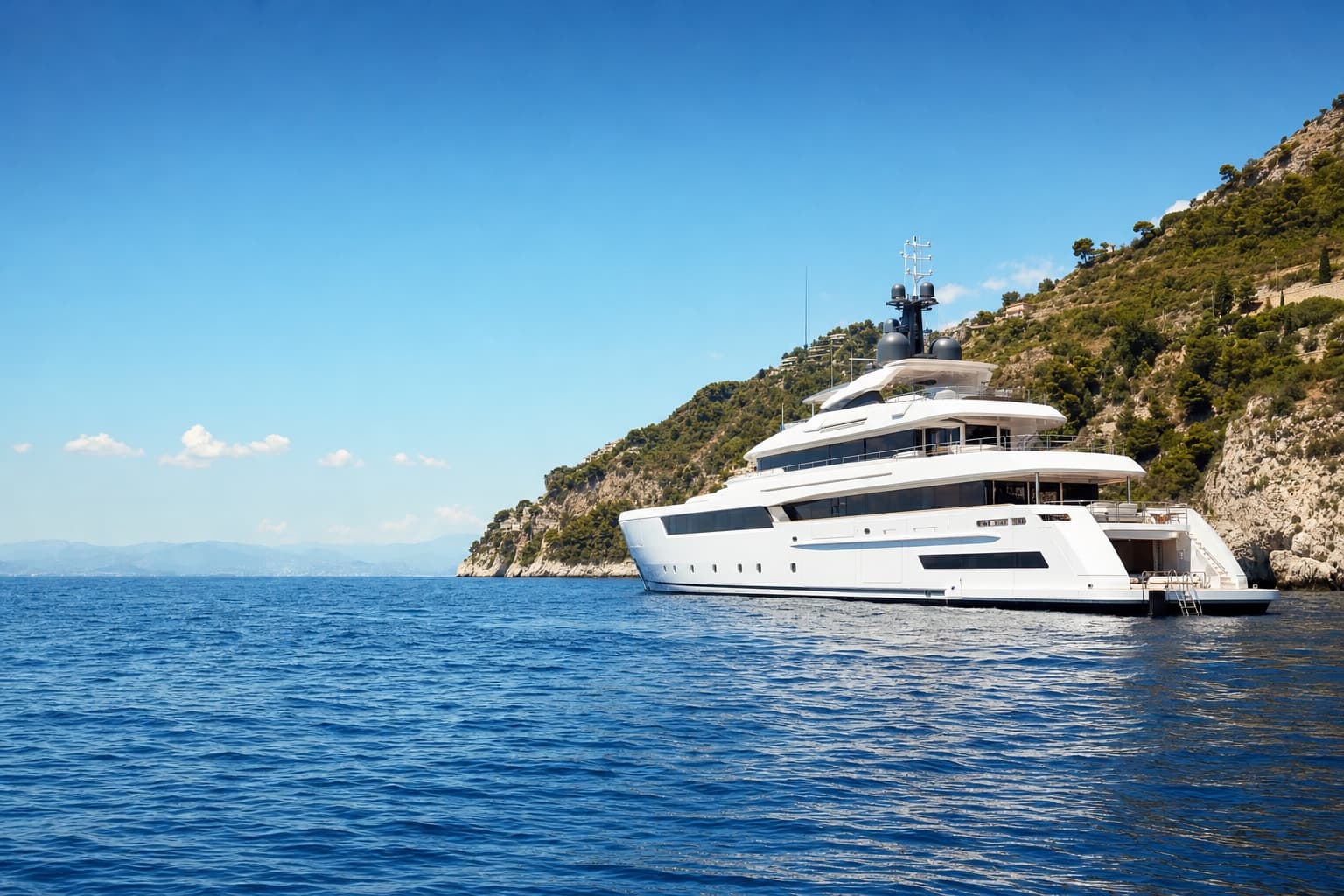
- 07:00Engine room meeting with the Chief Engineer and team. You report overnight alarms, including a cold room door left ajar by the galley.
- 07:30Morning rounds on the chiller plant. You log suction and discharge pressures, chilled water temperatures and seawater flow, and note a slight rise on chiller two.
- 09:00Strip and clean the seawater strainer on chiller two, which is choked with weed from the anchorage. Temperatures settle within the hour.
- 10:30A stewardess reports the owner's suite is warm. You check the fan coil unit, find a blocked filter and a sticky valve actuator, and fix both while guests are on the beach.
- 12:30Lunch in the crew mess, then a quick check of the galley freezers and ice machines before the chefs start dinner prep.
- 14:00Planned maintenance on an air handling unit in the lower deck crew area. Belt check, filter change and drain pan clean, logged in the PMS.
- 16:00Leak check on the provision cold room circuit with an electronic detector, then update the refrigerant log for the next flag inspection.
- 18:00Order spares through the Technical Storekeeper: compressor contactors, filter driers and a spare expansion valve for the bar fridges.
- 20:00Final round of the plant as the evening load peaks with guests indoors. You hand over to the night watch with notes on chiller two and stay on call.
Pay by country
Monthly, tax free for most nationalities, on yachts 80m+. Charter yachts add tips of roughly one month's salary per busy season. Rotation posts may pay at the top of the range.
- France and Monaco
- €4,500 – 6,500
- Spain
- €4,500 – 6,500
- Italy
- €4,500 – 6,500
- United Kingdom
- £3,900 – 5,600
- USA (Florida)
- US$4,900 – 7,000
- Caribbean
- US$4,900 – 7,000
- UAE
- AED 18,000 – 25,500
- Australia
- A$7,500 – 10,500
- New Zealand
- NZ$8,200 – 11,500
Required
- STCW Basic Safety Training
- ENG1 medical
- F-Gas Category I certificate or EPA Section 608 Universal
- Level 3 refrigeration and air conditioning trade qualification
- PDSD
Recommended
- AEC 1
- AEC 2
- MEOL (Yacht)
- Electrical installation qualification
- Advanced Fire Fighting
- Previous cruise ship or marine HVAC experience
Visas
- Schengen visa
- US C1/D visa
- US B1/B2 visa
- Australian MCV
Where it leads
- Refrigeration Engineer
- HVAC Engineer / Technician
- Third Engineer
- Second Engineer
- First Engineer
- Chief Engineer
Refrigeration Engineer jobs open now
Questions crew ask
Do I need yacht engineering tickets to get this job?
No. Captains hire Refrigeration Engineers for their trade skills, so an F-Gas certificate and a solid refrigeration qualification matter more. AEC courses and Y4 help if you want to move into general engineering later.
Will my UK or US refrigerant licence be accepted?
Usually yes. Most yachts accept a UK or EU F-Gas Category I certificate or a US EPA Section 608 Universal, depending on flag and cruising area, and many engineers hold both.
Is this a full time job or contract work?
Both exist. Yachts over about 90m often carry a permanent Refrigeration or HVAC specialist, while smaller yachts call in contractors during refit and for breakdowns.