All roles/Engineering/Sole Engineer
Engineering
Sole Engineer
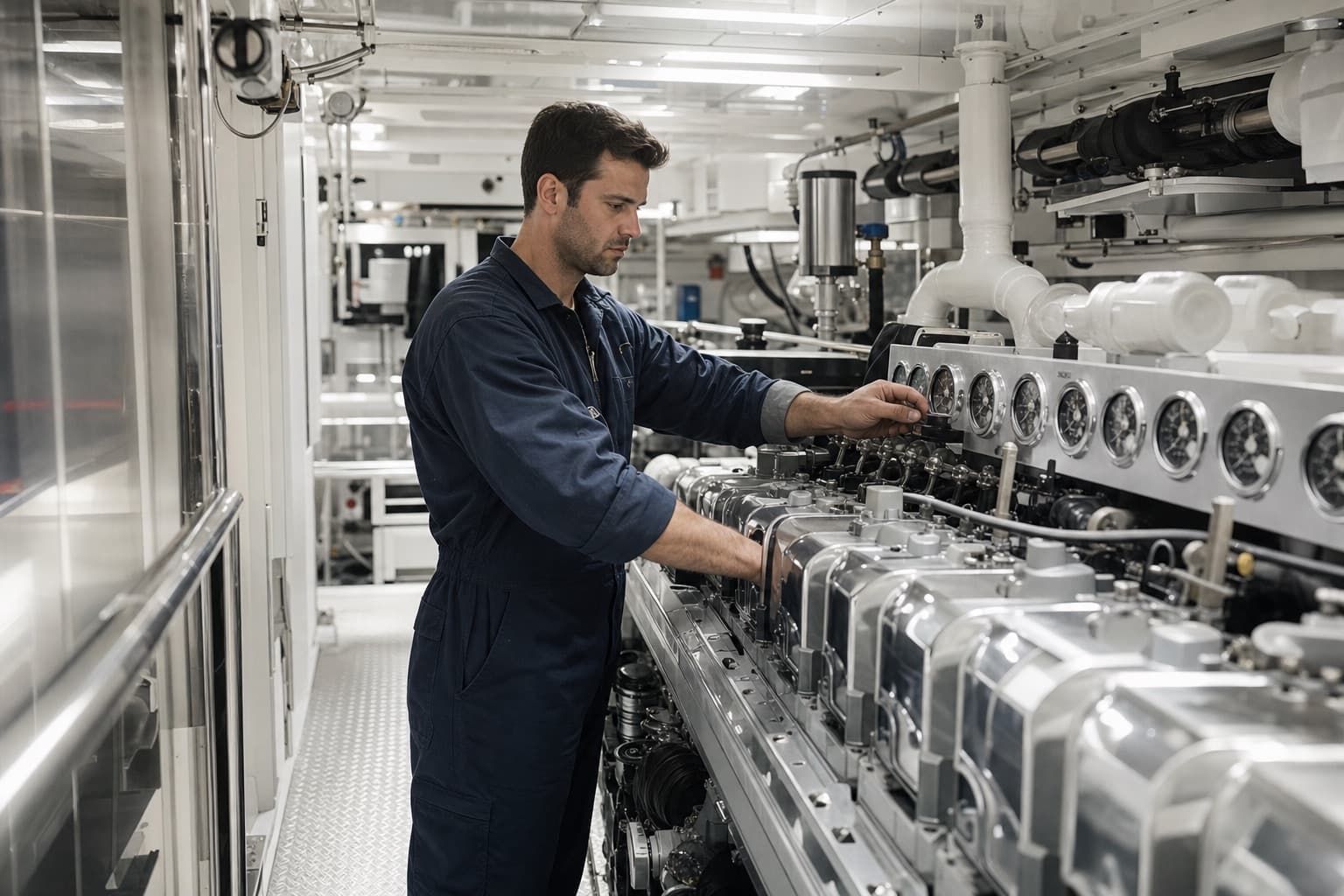
The Sole Engineer is the only engineer on board, responsible for every engine, generator, system and tender. You keep the yacht running, safe and comfortable so the captain can plan the programme with confidence.
- Department
- Engineering
- Reports to
- Yacht Captain
- Yacht size
- 30m to 50m
- Contract
- Permanent or rotation
- Starting pay
- €5,000 per month
What the job is
On a yacht between 30m and 50m there is usually room for one engineer, and that is you. You own the main engines, generators, watermakers, air conditioning, sewage plant, hydraulics, electrics and the tenders and toys. There is nobody to hand a problem to. If the generator trips at 02:00 with guests asleep, you are the one who gets up, finds the fault and gets the power back before the cabins warm up.
Much of the job is planned maintenance. You run the schedule, log running hours, change oil and filters, service impellers and keep the bilges clean. You also order spares, manage fuel bunkering, track the engineering budget and deal with contractors in yards and marinas. Good records matter. Flag state surveys, class inspections and insurers will all want to see your logs, and a tidy engine room tells a captain a lot about the engineer who runs it.
Because the crew is small, you are also part of the deck team. Expect to help with mooring, launch the tender, drive guests ashore and lend a hand washing down. You stand watches on passage and take part in every safety drill. The role suits a practical, calm engineer who likes variety and responsibility, and it is the most common route to a Chief Engineer position on a larger yacht.
What makes a good one
- Diesel engine and generator maintenance
- Electrical fault finding
- Planned maintenance and record keeping
- Working alone under pressure
- Tender driving and deck support
A day in the life
- 06:30Engine room rounds before guests wake. Check generator readings, bilges, watermaker output and the air conditioning plant, then fill in the daily log.
- 07:30Crew breakfast and a short meeting with the captain about the day's plan, an afternoon move to a new anchorage and the toys guests have asked for.
- 08:30Fuel and check the tender and jet skis, then help the deck crew launch the water toys off the swim platform.
- 10:00Planned maintenance while guests are ashore: change the fuel filters on the port generator and clean the sea strainers.
- 12:30A guest reports a cabin is too warm. Trace it to a sticking chilled water valve, free it and confirm the temperature is coming down.
- 14:00Start the main engines for the passage to the next anchorage. Monitor temperatures and pressures from the engine room, then stand by on deck for anchoring.
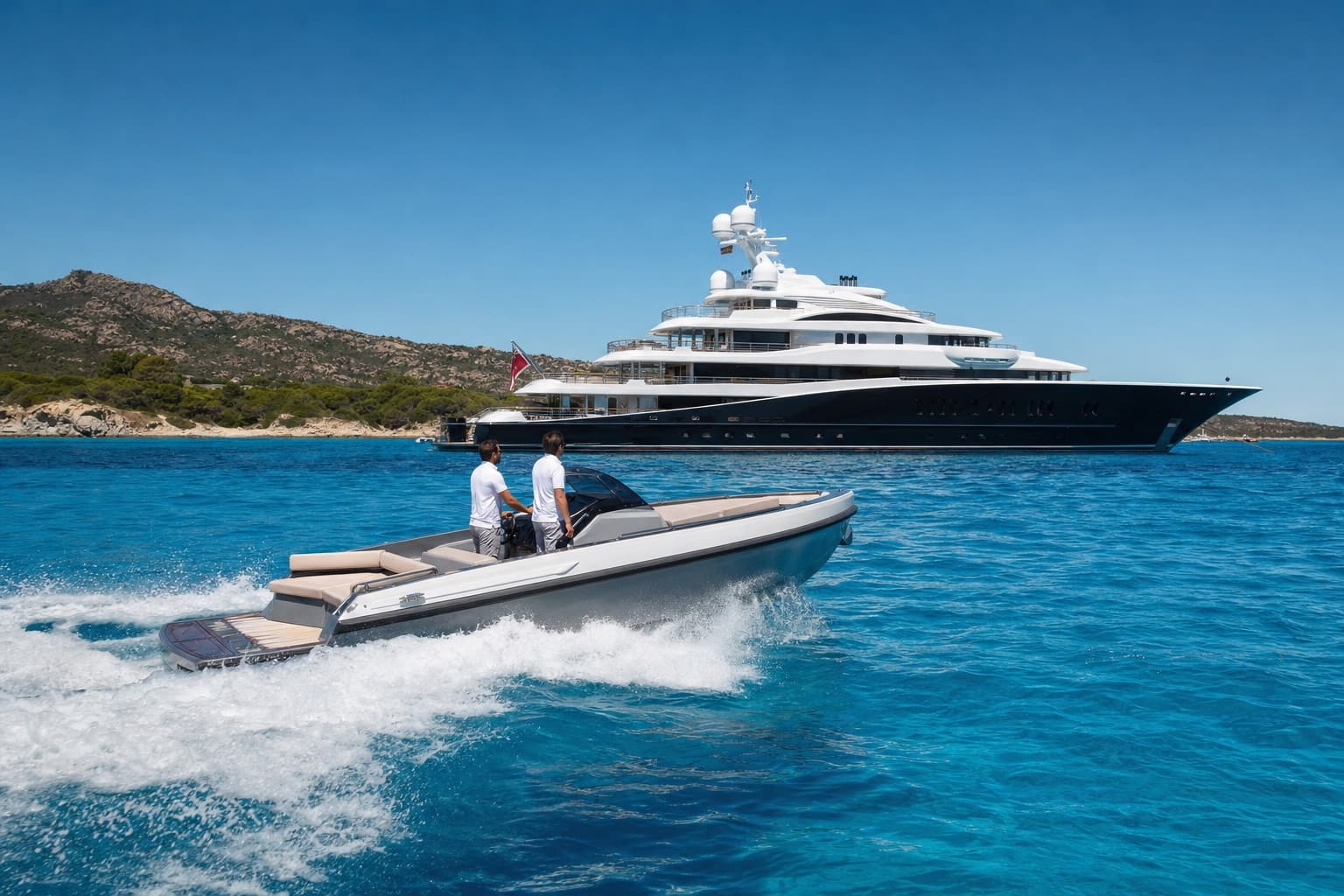
- 16:30Drive the tender for a guest beach run and return. Rinse the toys and check the jet ski hours for the next service.
- 19:00Order spares for next week's impeller change and update the maintenance software. Email the agent about a fuel delivery in Palma.
- 22:00Final rounds, check the generator load with all guest areas lit and the galley closing down, then set alarms for the night.
Pay by country
Monthly salary for a Sole Engineer on a 30m to 50m yacht. Higher pay for larger yachts and Y3 or above. Charter tips are shared with the crew on top and can add a good sum in a busy season.
- France and Monaco
- €5,000 – 7,000
- Spain
- €5,000 – 7,000
- Italy
- €5,000 – 6,800
- United Kingdom
- £4,300 – 6,000
- USA (Florida)
- US$5,500 – 7,700
- Caribbean
- US$5,500 – 7,700
- UAE
- US$5,500 – 7,500
- Australia
- A$8,500 – 11,500
- New Zealand
- NZ$9,000 – 12,500
Required
- STCW Basic Safety Training
- ENG1 medical
- AEC 1 and 2
- MCA Y4 or higher
- PDSD
Recommended
- MCA Y3
- HELM (Operational)
- RYA Powerboat Level 2
- Advanced Fire Fighting
- Medical First Aid
- Manufacturer engine courses (MTU, Caterpillar)
Visas
- Schengen
- US B1/B2
- C1/D
Where it leads
Sole Engineer jobs open now
Questions crew ask
Which engineering ticket do I need to be a Sole Engineer?
It depends on the yacht's gross tonnage and engine power. On smaller yachts AEC 1 and 2 can be enough, but most captains and flag states want at least a Y4, and a Y3 opens up larger yachts.
Will I have to do deck work as well?
Yes, on most yachts this size. You will help with mooring, drive tenders and join drills, so being comfortable on deck makes you far more employable.
Is Sole Engineer a good step towards Chief Engineer?
It is one of the best. You gain full responsibility for every system and budget, which is exactly what a Chief Engineer role on a bigger yacht asks for.